


Gas vs. Wood Fire Pits: Which Is Better for Your Garden?
Find Your Perfect Fit: Weighing Up Wood and Gas Fire Pits
Introduction
Choosing the best fire pit for your garden can feel overwhelming, especially with so many styles and fuel types available. Many UK homeowners narrow the choice down to gas fire pits and wood fire pits, but deciding between the two isn’t always straightforward. In this guide, we compare gas vs wood fire pits to help you understand the key differences in convenience, heat output, safety, and design.
By the end, you’ll know exactly which type is right for your outdoor living space and which option offers the most benefits for UK gardens.

What Are Gas and Wood Fire Pits?
A gas fire pit UK setup typically uses propane or natural gas to produce an instant, controlled flame. They’re known for being easy to ignite, low-maintenance, and clean-burning—perfect for modern patios and terraces.
On the other hand, a wood fire pit UK option offers a more traditional, rustic flame powered by logs. While atmospheric, wood produces smoke, embers, and requires more ongoing maintenance.
At first glance, both seem to offer a similar experience — flames, warmth and atmosphere — but once you look closer, there are some important differences that can make one option far better suited to your lifestyle and garden.
The Fire: Flame, Heat and Atmosphere
Both gas and wood fire pits are designed to add warmth and ambience, but the experience they create is noticeably different.
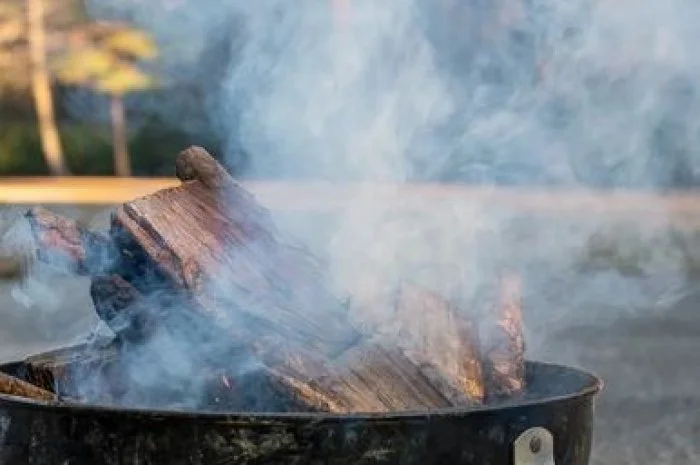
Wood fire pits offer that classic crackling sound and polarising smoky aroma, which some people love for the nostalgic, campfire feel. However, they can be unpredictable — the flames vary, the wind affects the smoke, the fire takes time to build up and needs consistent stoking.
A gas firepit, on the other hand, gives you instant flames at a controlled height, meaning you get consistent warmth and a clean burn every time. There’s no smoke drifting across your garden, no sparks, and no waiting for the fire to “get going.” This is especially useful if you want a garden fire pit you can enjoy anytime without planning ahead.
Installation: Quick and Easy vs More Involved
When it comes to installation, wood fire pits usually win on simplicity. You can place one almost anywhere with enough clearance and a safe, non-combustible base.
Gas fire pits come in two options: propane and natural gas.
A propane gas fire pit is still very easy to set up — often just connect the gas bottle and you’re ready. Natural gas fire pits require a permanent gas line, which means a more involved installation by your local gas safe engineer, that can be found here: Gas safe engineer, once completed it gives you unlimited fuel.
Models that are 45k BTU and above, can have this change done by using a gas conversion kit.
If flexibility matters, propane gas fire pits offer the freedom to move the fire pit around your garden as your layout changes.
Beyond installation and flexibility, it’s also worth considering the long-term maintenance and running costs of each fuel type. Wood fire pits require regular cleaning to remove ash and soot, and the cost of firewood can vary seasonally.
Gas fire pits, on the other hand, offer cleaner operation with minimal upkeep - no ash, no smoke, and no lingering smell. Propane bottles may need periodic replacement, but natural gas systems provide a steady, cost-effective fuel supply. Thinking about how often you’ll use your fire pit can help you decide which option will be the most practical and economical in the long run.
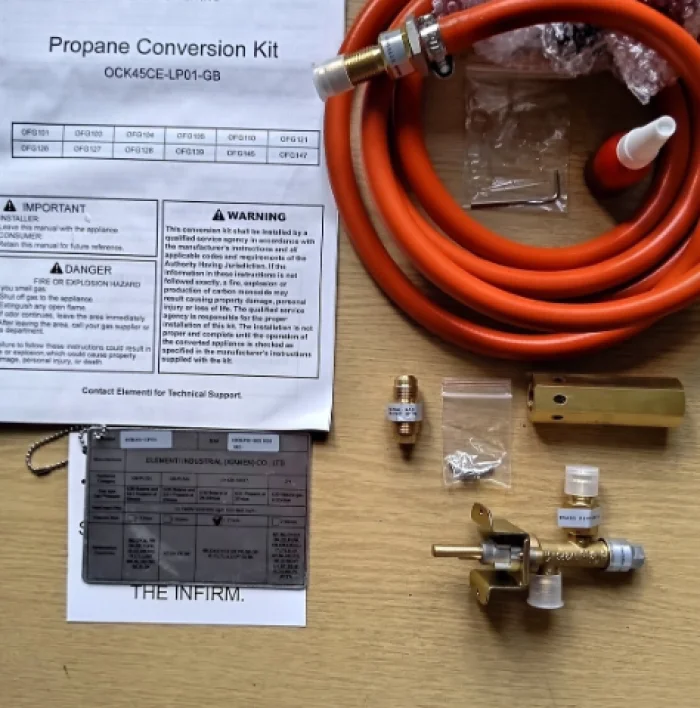
Elementi Fires Gas Conversion Kit
Convenience and Everyday Use
This is where the biggest difference appears between gas and wood.
A wood fire pit requires logs, kindling, lighting the fire, monitoring it, and then waiting for it to burn out. It’s a lovely experience when you have time for it, but a commitment when you just cant be bothered but still want the warmth from a fire.
A gas fire pit gives you instant outdoor living. Turn the dial, ignite — done. When you’re finished, switch it off and walk inside. No ash, no cleaning, no leftover smoke smell.
For most people wanting a garden fire pit they can use throughout the week, gas quickly becomes the more practical option.
Cost: Upfront Spend vs Long-Term Value
Wood fire pits are generally cheaper to buy, which is appealing if you’re working to a lower initial budget. The running costs, however, can add up depending on how often you buy kiln-dried logs.
Gas fire pits cost more upfront, especially premium gas firepits, such as the Elementi Plus Range, but tend to be more efficient and economical long-term. Natural gas is very cost-effective if you use your fire pit frequently.
Maintenance: Clean vs Messy
Maintaining a wood fire pit means removing ash, dealing with soot, and storing logs somewhere dry. Over time, the heat and smoke can also wear the fire pit if it isn’t designed for heavy use.
Gas fire pits require almost no maintenance beyond keeping the burner clear and occasionally checking connections. No debris, no ash, no smoke staining — just a clean and tidy fire pit ready whenever you are.
Safety Considerations
Both options can be safe when used properly, but each has its points to keep in mind.
With wood, flying sparks, embers and drifting smoke can be an issue depending on wind and surrounding materials. You also need to wait for the fire to fully burn out before leaving it unattended.
Gas fire pits remove those factors entirely, there is no sparks, no smoke — but must be installed correctly. Natural gas fire pits should always be fitted by professionals, and propane tanks should be stored upright and safely.
Which Is Better for Your Garden?
Both have their appeal, but the right choice depends on how you see yourself using your outdoor space.
If you love the ritual and atmosphere of a real wood-burning fire and don’t mind the setup and clean-up, a wood fire pit will still deliver that traditional charm.
If you want clean flames, simple operation, and a stylish addition to your outdoor living area — whether it’s a fire pit, a modern fire bowl, or a built-in design — then a gas fire pit is almost always the better fit for modern gardens.
In the end, both gas and wood fire pits can transform your garden. It simply comes down to the type of experience you want. Whether you prefer the rustic charm of burning logs or the convenience and clean design of gas, choosing the right fire pit will ensure you get the most out of your outdoor space all year round.